Franz Kafka’s story has been turned into a film and a Simpsons’ Halloween episode. I thought it would make the perfect love song.
If I Turned Into A Beetle (Kafka Style)
Leave a reply
Franz Kafka’s story has been turned into a film and a Simpsons’ Halloween episode. I thought it would make the perfect love song.

It may be brief but I think the book is well worth reading because my biggest problem with song writing is not so much the words or the tunes but the attitude and the feeling. When I am in the zone a song just seems to flow, the really hard part is getting in that zone. This book has some great pointers about moving towards that state.

 The Coen Brothers’ new film, Inside Llewyn Davis was inspired by this book. Only a few incidents from the book are represented in the film and even those that are are greatly changed. I like the 1960s New York in the film but I found it very bleak. This book is very different, whilst Dave didn’t have the financial success of his contemporaries like Dylan and Joni Mitchell he was a successful musician in his own terms. A good jazz/folk/blue guitarist and songwriter, able to make a living playing his songs. The descriptions of late 50s early 60s Greenwich village are interesting, as is the description of the life of a musician at that time, how he earned a living and the people he learned from. The stuff about the reverend Gary Davies are fascinating.I listened to the audio book version as I don’t have a lot of book time at the moment.It was well worth the listen.
You might be wondering why I have added this to a song writing blog. The main reason is that it gives a feel of the mind space that produced some amazing songs. How the people were living and making a living. How they worked as musicians, the coffee house scene and how it changed their writing. There are also a few more specific things that are interesting. Apparently if Dylan had a great line he wouldn’t worry too much if some of the rest of the song wasn’t as strong. He didn’t rework much, he just wrote another song.
Best Bit: Realising how much the 60s singers “borrowed” from what had gone before. Blues songs, folk songs anything that would serve as a source of inspiration.
This started as a song about wild wolves in Germany, then I realised they lurk everywhere in human form. I recorded the song in one take as I wanted to keep a raw feeling.
 I loved “Songwriters on songwriting” by Paul Zollo but it was practically all American writers. Daniel Rachel has filled this gap. It’s amazing how many great people were willing to talk to him. 26 writers including Noel Gallagher, Ray Davies, Paul Weller, Jarvis Cocker, Billy Bragg, Johnny Marr, Damon Albarn and Laura Marling.
A song about those clubs that used to lurk down side streets in the scary part of the city.
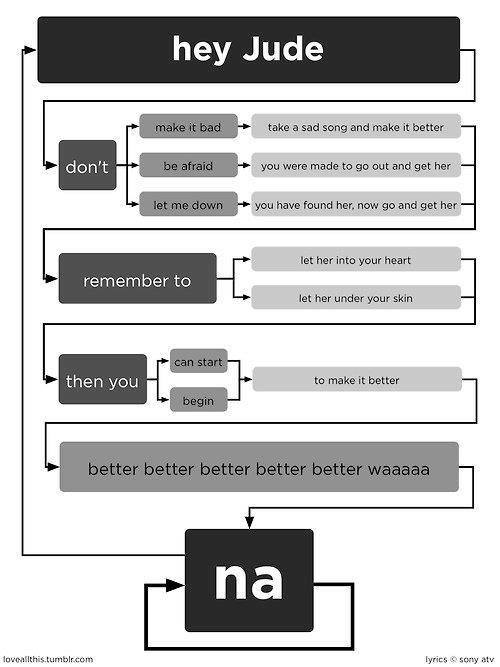
I like this because it shows the simple structure behind the song.

I went to an excellent song writing course by Martin Sutton and he has put this site together as a social area for songwriters to share ideas and chat. Click on the logo above to visit the site.
UPDATE: The site has now closed. Not enough people using it apparently.
If you want to know more about the courses that Martin runs you can find out on his site.
It is often easier to sing something than to say it.

The BBC have an amazing program of talks, workshops and shows to encourage new artists. BBC Introducing
As part of this they have master classes. Each masterclass has an hour long session on song writing. For some weird reason they are not available from the home page but they are still there is you search around.
Here is a great session from from Tom Robinson, some really good ideas here.
This session has an interview with Garry Barlow and a longer session with Mark Ronson.
This session has an interview with Brian Higgins